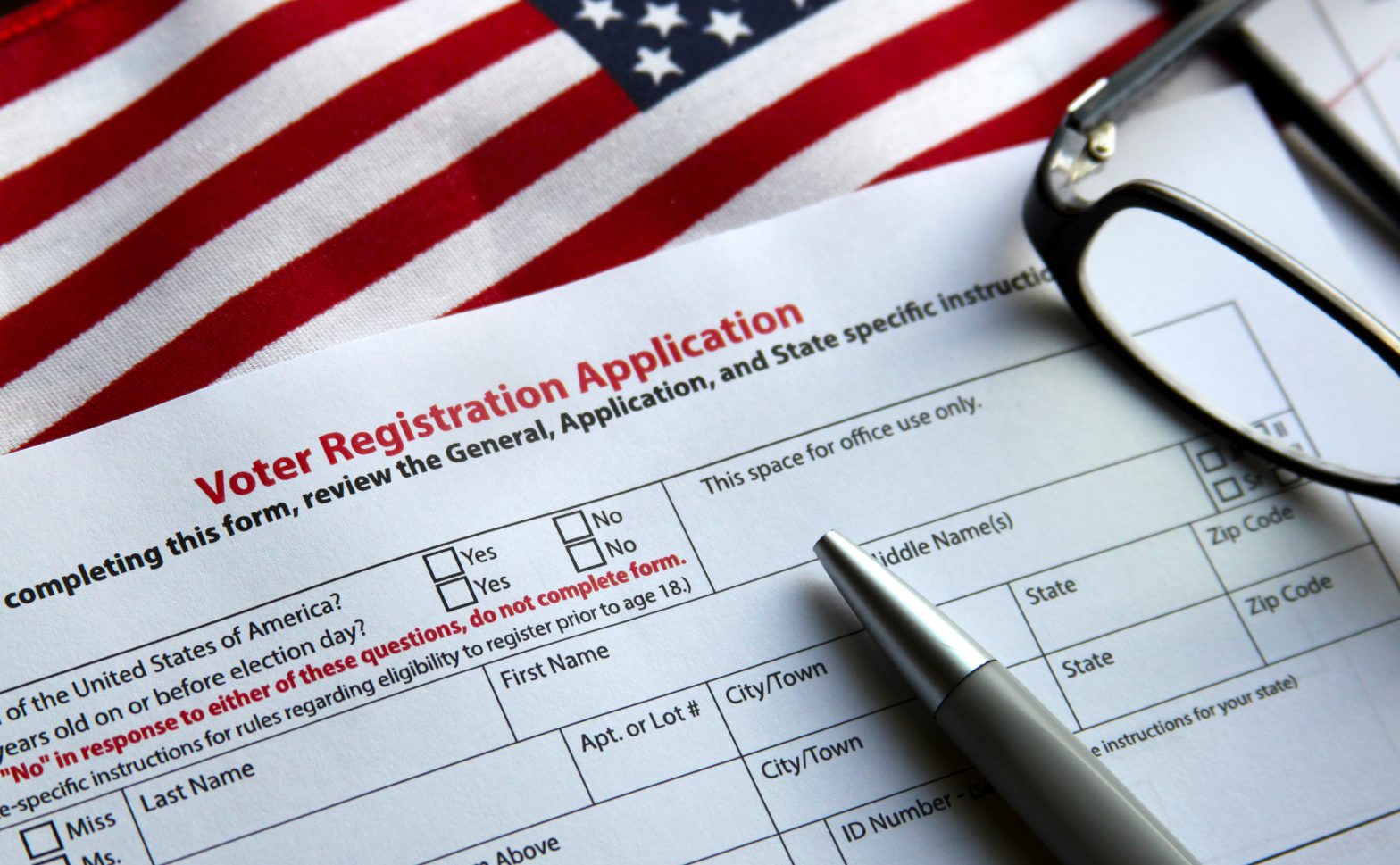
As the 2026 midterm election season ramps up, noncitizens should be especially careful and refrain from signing any form that requires the signer to be a U.S. citizen.
Election season brings a lot of clipboard requests, voter registration drives, and well-meaning reminders to “make sure you are registered.” For U.S. citizens, that is civic participation. For noncitizens, it can create a serious immigration problem.
If you are not a U.S. citizen, you should not sign any form that says or implies that you are a U.S. citizen. Do not register to vote or vote in federal elections, and do not vote in state elections unless a qualified attorney confirms a specific lawful exception applies. A few local jurisdictions have limited noncitizen voting rules for certain local elections, but those exceptions are narrow and do not make a person eligible for federal or state voting. You should also be very careful before signing petitions, candidate forms, ballot initiative petitions, or voter-related documents. Many petitions may only be signed by U.S. citizens or registered voters. Before signing anything, read the certification language carefully. To be safe rather than sorry, refrain from these types of civic participation until you are a U.S. citizen.
Why does this matter so much? Because a false claim to U.S. citizenship can be devastating in an immigration case. Under immigration law, a person may be found inadmissible or deportable if they falsely represent themselves to be a U.S. citizen for any benefit or purpose under federal or state law. USCIS guidance treats false claims to citizenship seriously. There is no waiver for this ground of inadmissibility, and the statutory exception is narrow. That means a mistake on a voter registration form, DMV form, employment document, school form, public benefits form, or petition can potentially derail an application for a green card, visa, or naturalization—permanently and irreparably. Some limited exemptions exist, so anyone with this issue should get legal advice before filing.
One of the most common danger zones is the DMV. Many states connect driver’s license applications and renewals with voter registration. Sometimes the voter registration question appears as part of a long DMV transaction, and applicants may click through quickly without realizing what they selected. Do not assume that because you are eligible for a driver’s license, state ID, or permit, you are also eligible to register to vote.
When you are at the DMV, slow down. Read every question carefully. If the form asks whether you want to register to vote, and you are not a U.S. citizen, decline. If a staff member tells you “everyone fills this out,” still read the form yourself. Do not rely on verbal statements or representations by DMV employees. Keep copies, photos, or screenshots of what you submitted whenever possible.
You should also be cautious with people collecting signatures outside stores, campuses, community events, or government offices. Some petitions are open to everyone. Others require the signer to be a registered voter, resident voter, or U.S. citizen. If the form asks you to certify that you are eligible to vote, do not sign unless you are a U.S. citizen and otherwise eligible.
This issue can also come up later in naturalization. USCIS may ask whether you have ever registered to vote, voted, or claimed to be a U.S. citizen. Answering those questions incorrectly can create additional problems. USCIS guidance affirms that USCIS can find that the good moral character requirement is not met for naturalization if the applicant knowingly or unlawfully registered to vote or voted unlawfully in the U.S., and such findings may lead not only to denial but also to removal-enforcement consequences.
The safest rule is simple: if you are not a U.S. citizen, do not register to vote, do not vote, and do not sign anything that says you are a citizen or eligible voter. If you think you may have accidentally registered, voted, or signed a form falsely claiming U.S. citizenship or registered-voter status we recommend scheduling a consultation before filing any immigration application.
On May 21, 2026, USCIS issued Policy Memorandum PM-602-0199, reminding officers that adjustment of status under INA § 245 is “a matter of discretion and administrative grace” not intended to supersede…
22May
Multiple news agencies reported at the end of April 2026 that the U.S. Department of State recently began directing consular officers to ask additional questions during certain visa interviews, signaling…
28May
Joseph & Hall P.C. is a full-service immigration law firm. We pride ourselves on being nationwide experts in all areas of immigration law, including the practice areas listed below. Our attorneys frequently are asked to speak both locally and nationally on a wide variety of immigration topics. For an overview of each practice area, please click the links below. If you have any questions about how these practice areas may apply to your case, please do not hesitate to contact our firm.
Countless people dream of becoming a U.S. citizen. If your application was rejected by the USCIS, we are here to fight for your best interests.
Get in touch with us. Write us a message.